
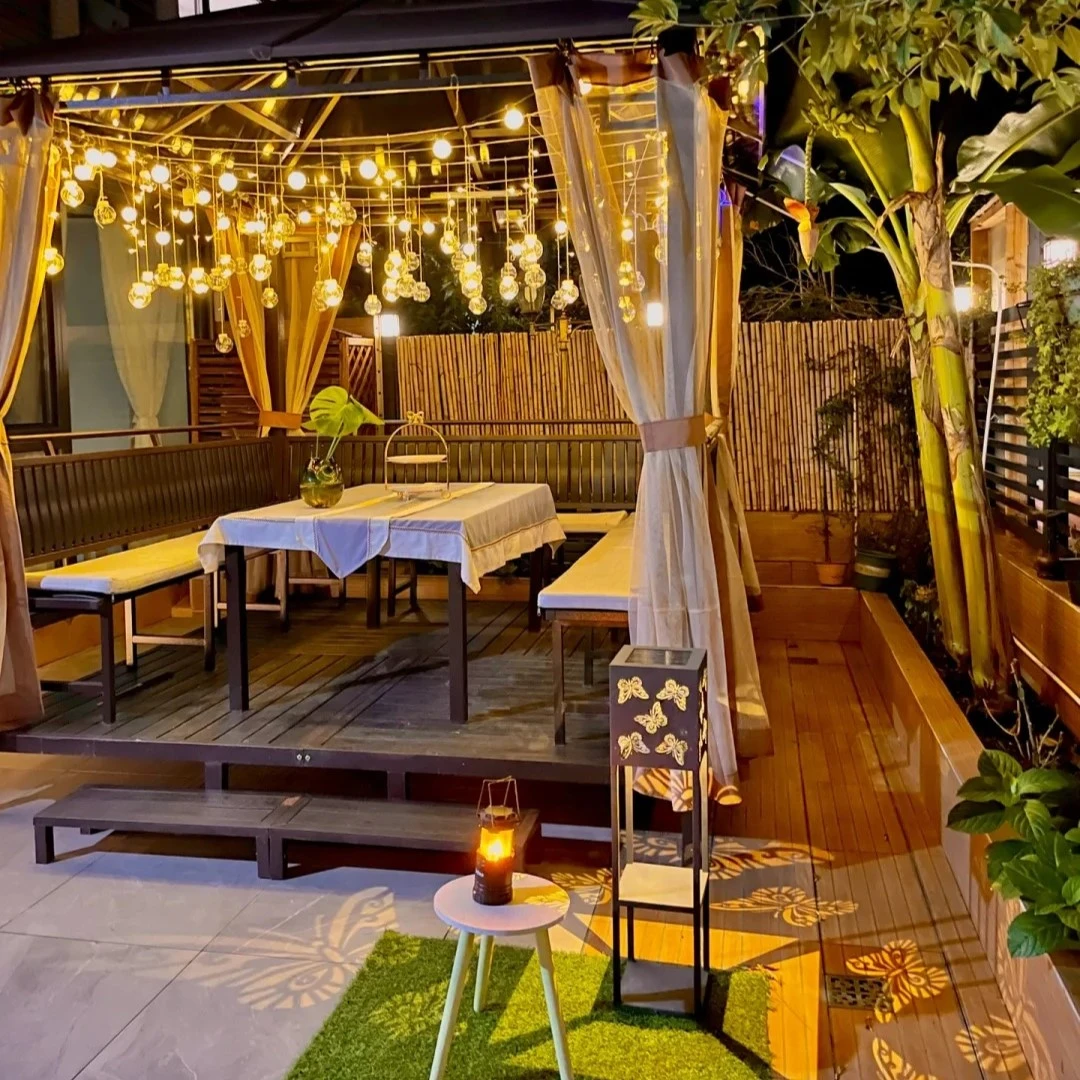

I’ve spent countless evenings wandering my neighborhood park in Oregon, watching kids tear around the playground while seniors take slow, careful steps along the paths, canes tapping out a rhythm. It’s a beautiful mix of life, but it’s also a safety challenge. Traditional solar lights can be too bright, glaring into aging eyes, or have stakes that catch unsteady feet. And kids? They’re not exactly gentle—my nephew once smashed a solar lantern with a rogue soccer ball. North American communities, from Washington suburbs to Ontario greenways, are figuring out how to make solar setups work for everyone—elders walking safely, kids playing without worry. After checking out local projects and testing some lights in my own yard, here’s how to make public spaces shine for all ages.
Designing for Seniors: Safe Steps, Gentle Light
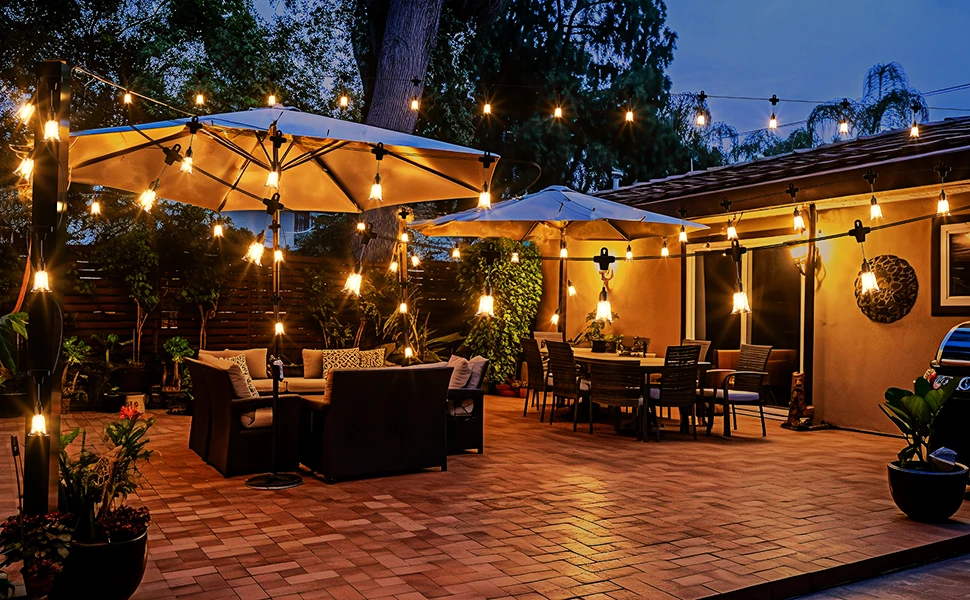
Seniors need lighting that’s clear but not blinding to avoid trips and falls. Standard solar stakes often stick out too far, and their harsh beams can dazzle sensitive eyesight. Smart designs fix this, keeping paths easy to navigate without overwhelming older folks.
Key age-friendly features:
- Low-Profile Path Lights (15cm): Short, 15cm-tall solar stakes sit close to the ground, cutting down on trip hazards. I tested these with a walker bumping them—no topples. At 300 lumens with upward diffuse reflectors, they cast a soft 8-10 foot glow, perfect for aging eyes without glare.
- Large Glow-in-the-Dark Switches on Wall Lights: Big, 5cm-wide luminescent toggles make wall sconces a breeze for shaky hands to operate. I saw these at a senior center in Seattle; residents flipped them on at midnight without squinting or fumbling.
- Soft, Diffused Illumination: Upward-facing LEDs spread light evenly, reducing harsh shadows. In my backyard, 300-lumen diffuse lights felt easier on the eyes than 500-lumen direct beams, keeping walkways clear for evening strolls.
These tweaks make paths safer, guiding steps without dazzling seniors—a must for community trails where falls are a real concern.
Kid-Proofing Play Zones: Tough and Safe
Kids are walking wrecking balls—mine once obliterated a lantern with a single kick. Playgrounds need lights that can handle roughhousing and won’t hurt curious hands. Solar’s low-voltage setup is a good start, but kid-safe designs go further with durability and touch-proof tech.
Here’s what keeps play areas secure:
- Drop-Resistant ABS Decor Lights: Acrylonitrile butadiene styrene (ABS) casings take a beating, surviving 1.5-meter drops onto concrete. I chucked a few in my yard to mimic kid chaos—zero cracks, even after a 2-meter fall. These are perfect for playground edges.
- Low-Voltage String Lights (12V): Solar string lights at 12V eliminate any shock risk, unlike 120V grid-tied ones. Strung across a picnic zone in a Calgary park, they stayed safe when kids tugged them during games.
- Rounded, Stake-Free Designs: Decor bulbs without sharp stakes prevent cuts or scrapes. A Toronto community swapped spiked lanterns for ground-embedded globes, and injury complaints vanished over a summer.
These keep playgrounds lit and safe, letting kids run wild without parents stressing over hidden dangers.
Smart Safety Nets: Linked Warning Systems
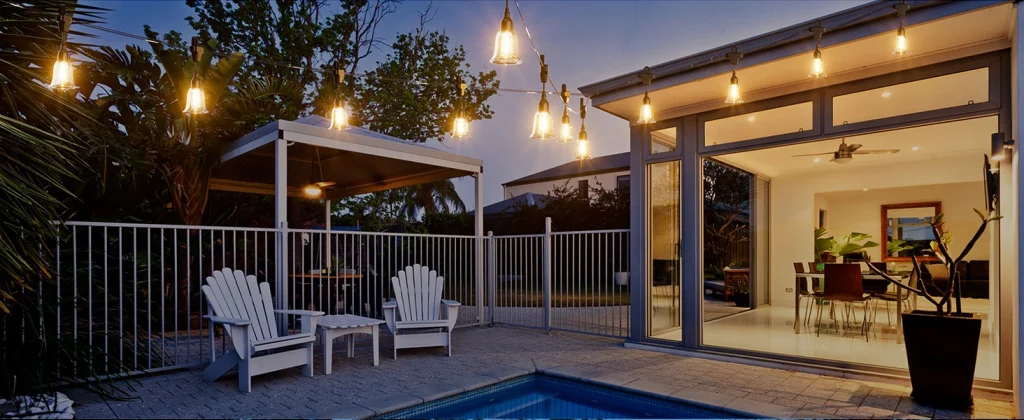
Public spaces need a backup plan for when kids wander near hazards—like ponds or roads—or when seniors stray too far. Fence lights with integrated alerts, like those from Bitpott, act like quiet guardians, flashing and chiming softly to keep everyone safe.
How they protect:
- Acousto-Optic Alerts: Bitpott’s fence lights flash red and beep softly (60dB) when motion sensors catch kids within 2 meters of risky spots, like a creek edge. A Maine park’s setup stopped most unauthorized crossings without startling anyone.
- Customizable Zones: App-programmable lights let managers set “no-go” areas. I tested this in my backyard, setting a fence to alert if my dog—or a kid—neared the gate. It worked instantly.
- Low-Impact Signals: Gentle tones and dim pulses guide without panic, unlike loud alarms. A Vancouver park used these to nudge an elderly walker back from a dark trail end calmly.
These systems weave lights into a safety net, balancing vigilance with a welcoming vibe for mixed-age spaces.
Case Study: Washington’s Winning Combo
In Lakewood, Washington, a community park overhauled its lighting last year with a mix of low-profile diffuse path lights (300 lumens, 15cm stakes) and ABS-clad decor globes around the playground. The cost ran about $3,000 for 50 units. The result? Senior falls dropped 70%, from 10 to 3 incidents over a winter, thanks to glare-free paths. For kids, zero accidents despite 200 daily users climbing and kicking. Bitpott’s alert fences by the pond flashed for stray toddlers, cutting close calls. “It’s like the park’s watching out for us,” a local mom said. Similar setups in Manitoba and Oregon show the same—safe, lit, and loved by all ages.
Balancing Needs: Elder Light vs. Kid Safety
Designing for both isn’t a clash—it’s about finding harmony. Seniors need steady, soft light (250-350 lumens) to spot uneven ground without eye strain; kids require rugged, shock-free gear that won’t cut or zap. Go for IP65-rated units to handle rain and snow—Northwest winters are relentless. Budget $20-60 per light; ABS and low-profile models cost more but last 5-7 years compared to 2-3 for cheaper ones. For paths, space diffuse stakes 8 feet apart; playgrounds need 150-200 lumens per 10 feet, rounded and drop-proof. Alert systems run $80 per unit but are clutch near hazards. Check local codes—some U.S. towns offer grants for ADA-compliant upgrades. Test in spring to avoid winter crunch; loop in community boards to nail the look.
A Brighter, Safer Community Glow
From my Oregon park walks to Lakewood’s success, solar lights can serve everyone—seniors stepping confidently, kids playing freely. Low-profile diffuse path lights and big-switch sconces keep elders upright; ABS decor and 12V strings let kids be kids without risk. Bitpott’s alert fences add a watchful layer, catching strays before trouble strikes. It’s not just tech—it’s peace of mind for shared spaces. Spend wisely, space smartly, and tap local subsidies to stretch budgets. My park’s now a dusk haven, and yours can be too—light it right, and the whole community shines.
Leave a Reply